Steve Graham is deftly backing a large truck with a stump grinder trailer up Garnet Way as Craig Stone directs him. Both work for the Davey Tree Expert Company and are getting ready to plant a Forest Pansy redbud in the backyard of a home there. The pair were working over the summer replacing many trees damaged by the late April storm and planting additions to homeowners’ landscapes also.
Stone is assistant district manager of Davey’s south office, which services Mt. Lebanon, where he resides.
Fall is the perfect time to plant trees. Soil and air temperatures, along with shorter days, are conducive to root growth as opposed to top growth and flowering. It’s a great way to get a tree established.
The arborist has sage advice for people interested in adding trees to their property. It’s all about the right tree for the right place.
“They should think about the location and the size of the new species of tree that they’re looking for, the size that they can accommodate,” he said. Some trees want full sun, others complete shade and some need both.
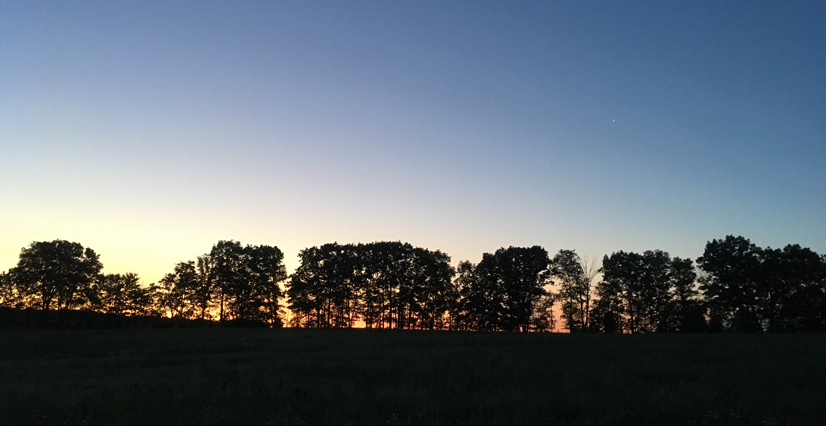
Every day, Graham sees trees that were planted in the wrong spot years ago, and are now becoming a problem. They are either too close to a structure, crowding out other plants or several other issues.
Once a homeowner selects the right spot, Graham will talk with them about other characteristics they’re looking for.
“Once we get a handful of characteristics that the homeowners are looking for, sizing, color of leaf, flower, then we can really figure out what tree is really going to meet their needs.”
Trees can increase the value of a home, providing shade, helping with energy costs, mitigating stormwater runoff, helping wildlife and much more. “You get so many benefits, the list goes on and on,” Stone said.
Many homeowners look at the same types of trees to plant, Stone relates, mainly dogwoods, redbuds, Japanese maples, red maples and oaks.
“Most people elect to go with the pin oak just because it’s fast growing, pretty and low maintenance. But we do try to push for white oaks if we can,” Stone said. “The majestic white oak is unmatched in its branch structure,” he added.

Along with that core group, Stone has some other recommendations. Stewartias are hardy, slowly grow to about 25 feet, have a nice branching habit and beautiful peony-like flowers in late June, with a grayish-brown mottled bark for winter interest. “It’s not going to overwhelm the property and still give them some shade,” he said.
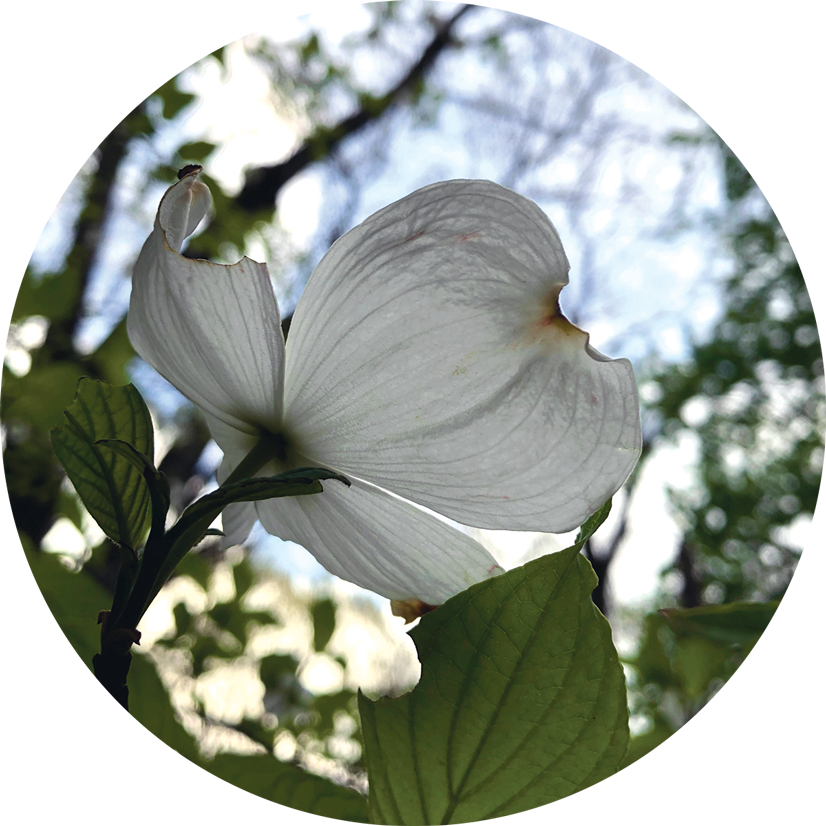
One of the trends in landscaping is to add native trees, such as flowering crabapples, American hornbeam, sourwood, dogwood, redbud, sugar maples, hemlocks, black gum and countless others. These varieties were here before colonization began, are most suited for our environment and help pollinators.
Stone said it’s better to start with a smaller tree when planting as they establish themselves faster. The bigger the tree, the longer the transplant shock lasts, which adds more stress. He recommends something with a trunk diameter of around two inches. “The smaller tree, it’s kind of like kids, they adapt to their environment much quicker.”
One of the most common mistakes homeowners make when planting their own trees is putting the tree too deep in the ground.
The area where the trunk meets the roots is called the root flare and it should be visible above ground. “Typically, you always want to look at that root flare. You do not want it [the tree] to look like a telephone pole sticking in the ground,” said Stone. “You want to see that straight trunk and the root flare.”
Whether the tree is balled and burlapped like the one being planted here today or purchased in a pot, the root flare might need to be exposed by gently brushing the soil off the area near the trunk.
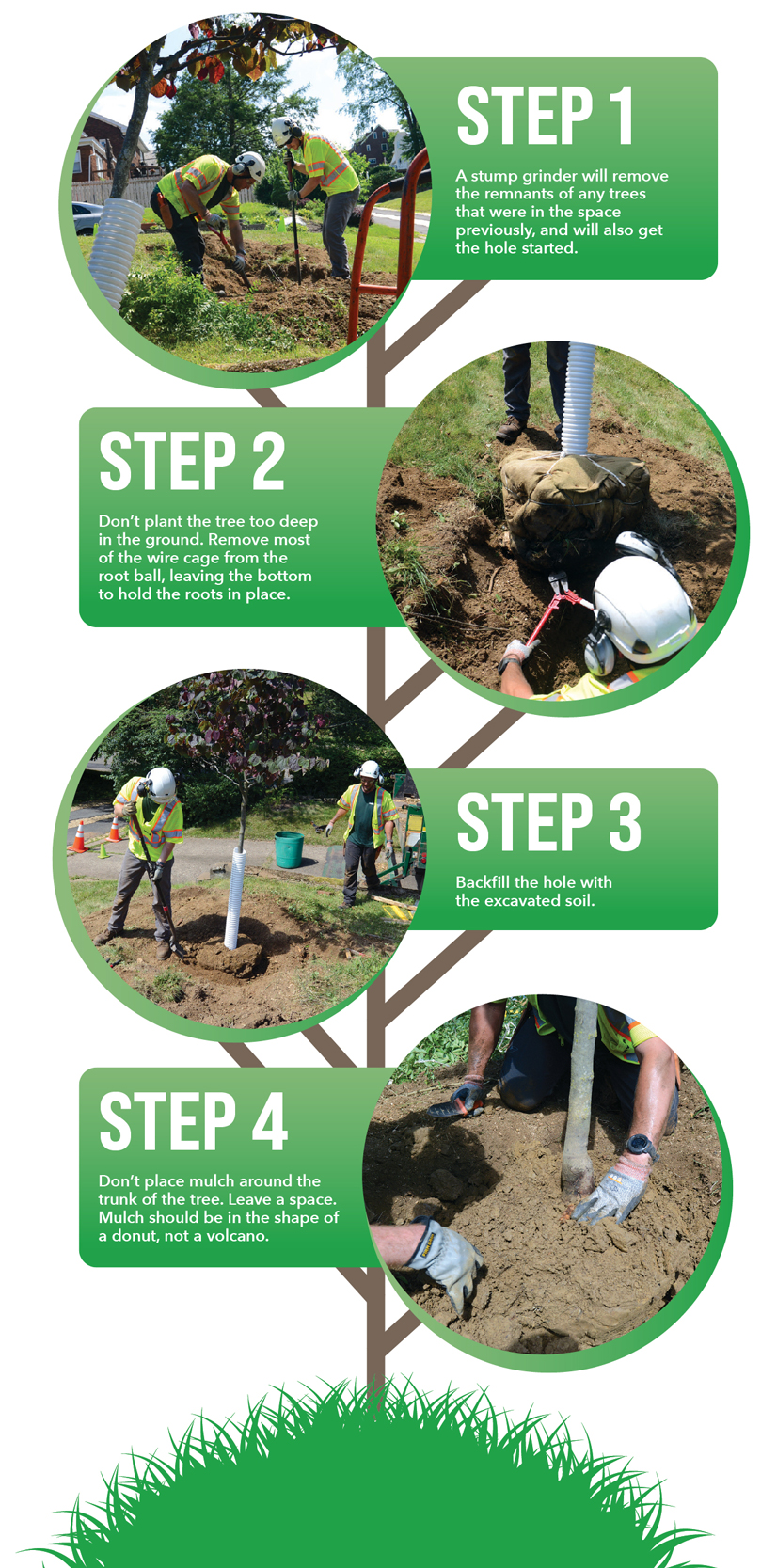
Before planting, Stone starts running the stump grinder to remove what was left of an old tree. The machine will also dig a perfect hole for the size of the root ball on the redbud, which is twice as wide as the root ball itself.
“The Forest Pansies are really sought after due to that red leaf,” he said. “Redbuds typically have that heart-shaped kind of leaf. Everybody recognizes them due to that pink-purplish kind of early spring flower that they have, that’s very vibrant.”
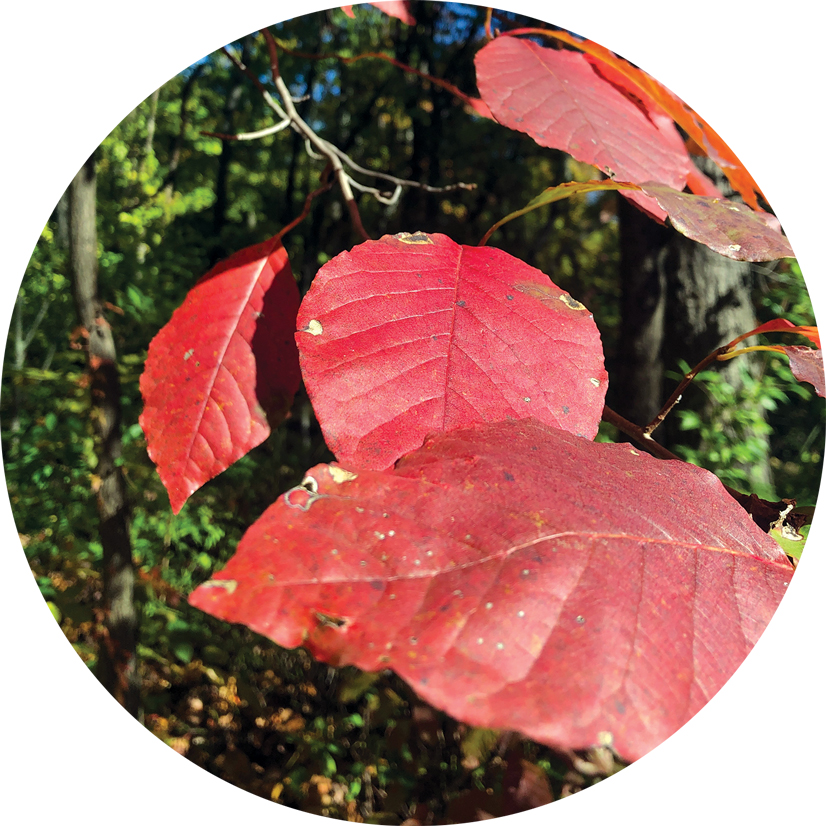
Redbuds are not a very large, overwhelming tree, but they do provide good size and width. “Typically, it’s going to be a little bit wider than it is taller and that can help for privacy,” Stone remarked. “People want a flowering tree that’s not going to fail in a storm. It’s not going to crush the house or hit the neighbors.”
Using the handle of his shovel, Stone measures the depth and width of the root ball, then compares it to the size of the hole. Stone and Graham only want to put this big tree in the hole once. The pair are digging by hand, finalizing the planting hole, then use a large yellow tree dolly to roll the tree uphill to its new home.
Once the tree is in the planting hole, they work to cut most of the wire cage off the root ball, leaving the bottom to hold the roots in place. The burlap on the top two thirds is also cut away and removed.
The native soil is backfilled into the hole by Stone and Graham, then mulch is applied.
It’s meant to look like a donut, not a volcano. Volcano mulch is one of the worst things that can be done to a tree, according to Stone.
As they complete the planting, Stone reflects on the many trees he’s planted over the years. “It’s very humbling, you’re getting that sense of the true meaning of life. I’m not going to reap the benefits of all of these trees that we’re planting, but the next generation will.”
Steps to Planting the Perfect Tree