Beyond Blood Sugar: Understanding Diabetes and Your Whole Health
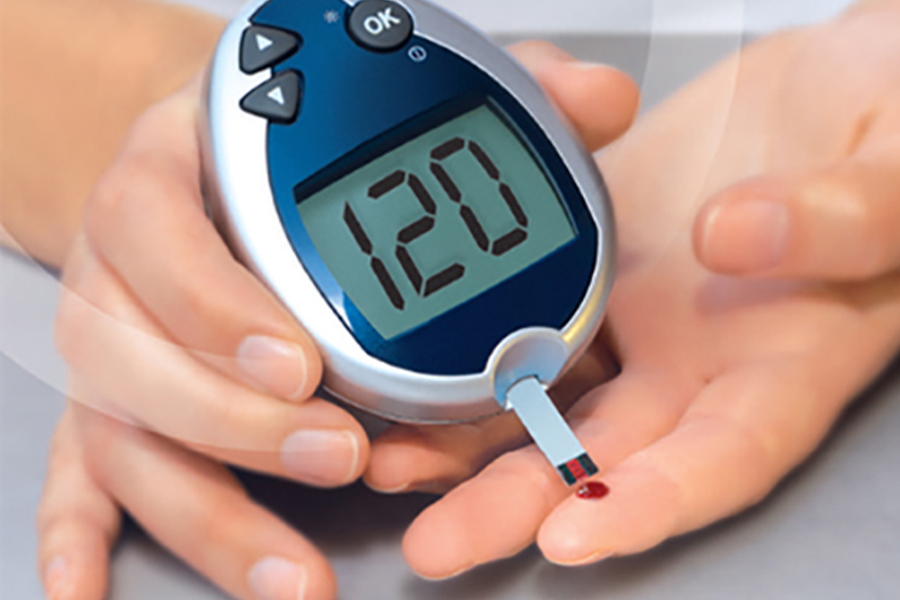 Diabetes is often described as a condition of high blood sugar. But its impact—and its management—goes much further.
Diabetes is an endocrine disorder that affects how the body produces or uses insulin, a hormone that helps move glucose from the bloodstream into cells for energy. Over time, elevated blood sugar can affect the heart, kidneys, nerves, eyes and blood vessels, making early diagnosis and ongoing management especially important.
“Diabetes doesn’t exist in isolation,” says Wayne A. Evron, MD, who practices with St. Clair Medical Group Endocrinology. “We’re looking at the whole patient and considering blood sugar along with cardiovascular risk, kidney health, weight, medications and other factors that can influence their long-term health.”
That comprehensive approach has become increasingly important as physicians have gained a better understanding of how closely diabetes is connected to other health conditions.
Know the Signs—and Your Risk
Type 2 diabetes, the most common form of diabetes, can develop gradually. Some people experience increased thirst or urination, fatigue, blurred vision, slow-healing wounds or unexplained weight loss. Others may have few noticeable symptoms.
That means routine screening can play an important role, particularly for people with risk factors such as excess weight, family history, high blood pressure, abnormal cholesterol levels or a history of gestational diabetes.
Prediabetes can provide an important opportunity to act even earlier. Blood sugar levels are elevated, but not yet high enough to meet the criteria for type 2 diabetes. Lifestyle changes—including regular physical activity, a balanced diet and weight management—can significantly reduce the likelihood of progression for many patients.
Diabetes Care Has Changed
For those diagnosed with diabetes, treatment today is highly individualized.
Nutrition and physical activity remain essential, but advances in diabetes medications and technology have expanded the options available to patients. Depending on a person’s needs, treatment may include oral medications, injectable therapies, insulin, continuous glucose monitoring or a combination of approaches.
Some newer medications can offer benefits that extend beyond lowering blood sugar, including helping appropriate patients manage weight and reduce certain cardiovascular and kidney risks.
The goal is not simply achieving a number on a glucose meter or lab report. It is helping each patient reduce the risk of complications and protect their health for years to come.
At St. Clair Health, endocrinologists work closely with primary care physicians and other specialists to provide coordinated care for diabetes and related health concerns. That collaboration is particularly valuable because managing diabetes may involve monitoring blood pressure and cholesterol, protecting kidney function, maintaining a healthy weight and addressing other endocrine conditions.
“Successful diabetes management is really a partnership,” says Dr. Evron. “When patients understand their condition and have a plan that works for their life, we can make a meaningful difference in their health.”
This Diabetes Awareness Month, knowing your risk is a good place to start. If you have risk factors for diabetes—or it has been a while since your blood sugar was checked—talk with your health care provider about whether screening is right for you.
To learn more about endocrinology and diabetes care at St. Clair Health, visit stclair.org.

 Full Story