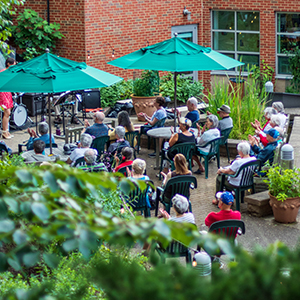




Bringing Back the Birds
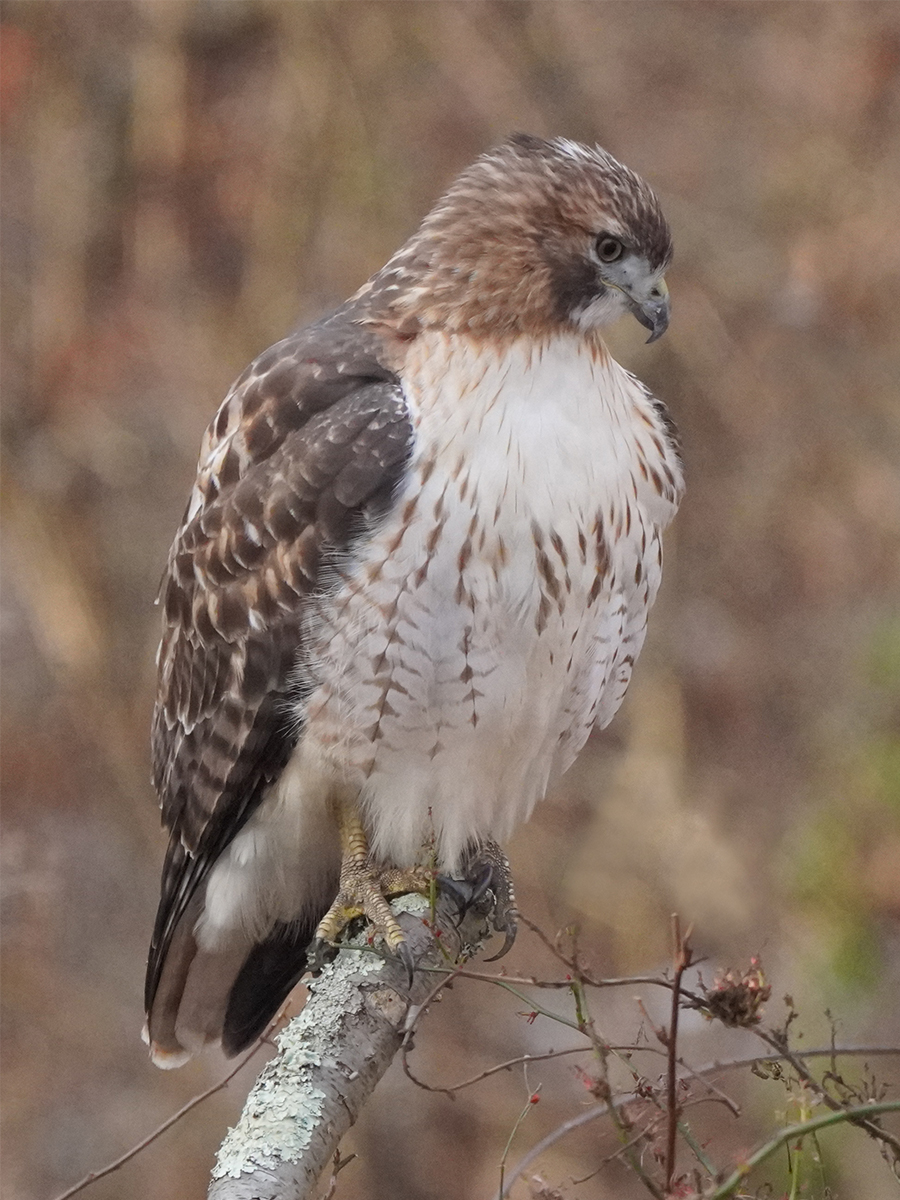
A 2019 study by Cornell University ornithologist Kenneth Rosenberg showed an alarming drop in the North American bird population since 1970, with a decline of about 25 percent. A follow-up study, released earlier this year, attributed the loss to rising temperatures and intensive agriculture.
“To me, that’s a striking thing, because they’re literally the canary in the coal mine,” said Mt. Lebanon Nature Conservancy president Sarada Sangameswaran. “[Birds] tell us the impact we’re having on our ecosystems and eventually ourselves.”
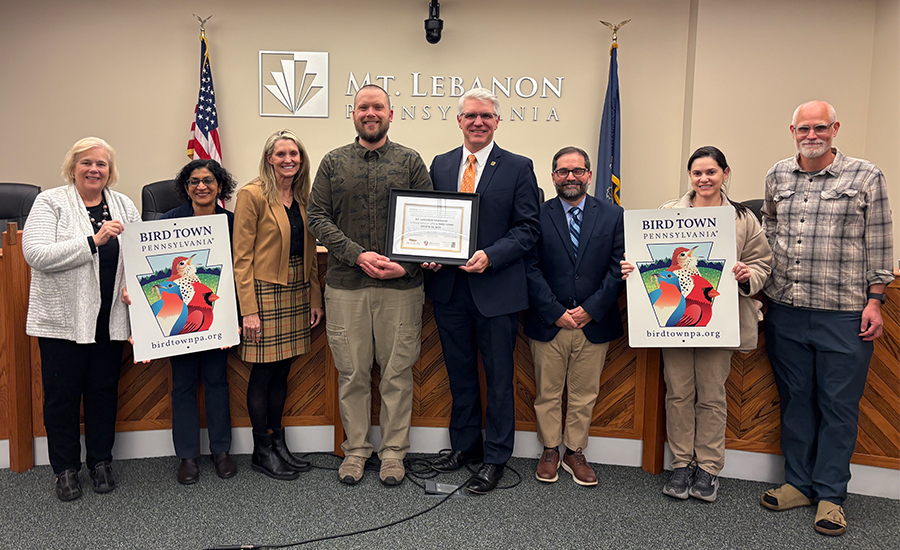
The conservancy has partnered with the municipality to attain certification from Audubon of Western Pennsylvania as a Bird Town Pennsylvania, promoting conservation-based efforts to make for a more sustainable environment for birds and other wildlife.
Although Mt. Lebanon, like all new Bird Towns, is at the introductory Green level, Sangameswaran expects the municipality to progress through the next three levels with relative ease.
“We looked at it [the application] and said, “Hey, wait a minute, we’re doing a lot of these things … I can cross off a bunch of things that we’re doing already.”
In order to receive the designation, a community has to show progress in five areas:
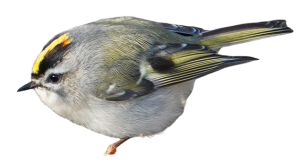
Municipal actions Among several other efforts, Sangameswaran cited the 2025 adoption of a forestry management and invasive species control plan, and approval for funding for native trees and shrubs and deer-resistant fencing for the parks.
School district and youth-related actions The conservancy puts on an annual School in the Park program for second-graders from each of Mt. Lebanon’s seven elementary schools. Environmental clubs at the high school and Mellon Middle School take part in park cleanups and have done native vegetation plantings at Mellon. Also, the conservancy has assisted with several Eagle Scout projects, such as building bird blinds and nesting boxes.
Community and individual engagement The conservancy has led a number of bird walks through Mt. Lebanon parks. It also completed a riparian restoration effort in Bird Park to combat stream erosion. Other conservancy programs include a native plants sale, partnering with the library to host authors of books on nature and sustainability, and to start the Green Reads book club.
Organizations, collaborations and partnerships In addition to the previously mentioned engagement efforts, the conservancy partnered with Temple Emanuel of the South Hills for invasive species removal and to provide nature based education programs for the temple’s preschoolers.
Advocacy The conservancy has an occasional column in Mt. Lebanon Magazine, publishes a quarterly newsletter and operates an informational booth at Mt. Lebanon’s Earth Day celebration. The municipality’s resiliency, civic engagement and parks and recreation advisory boards advocate for sustainable practices.
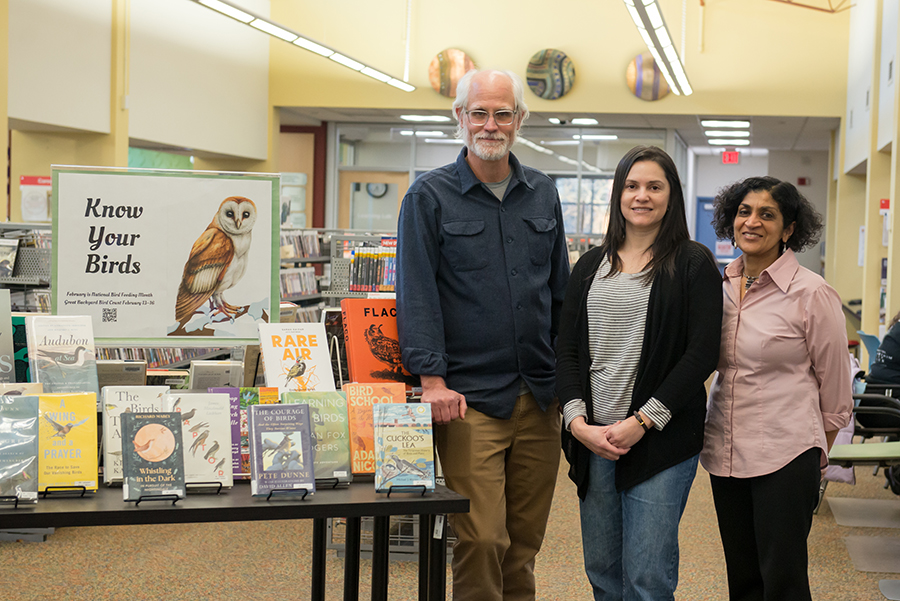
Sangameswaran worked with conservancy board members Liz Franco and Jim Saracco to secure the Bird Town certification. Saracco, Austin Avenue, is an ornithologist who works for the Institute for Bird Populations, a conservation nonprofit that studies, unsurprisingly, bird populations. He has led a few of the conservancy’s bird walks.
“Mt. Lebanon has small patches of woods, not a tremendous use of habitat,” he said, “but it’s still kind of surprising. Wood thrushes breed in Bird Park. They’re a species that winters in Central America. There has been concern about them, because they’re one of the species that has been declining since the ’70s.”
Sangameswaran sees that and several other developments as good news.
“There have been success stories. Bird species that have come back from the brink because we as a society intervened,” she said. “There’s so much gloom and doom out there, but what doesn’t get out is that there are things we could be doing that have succeeded in the past.”
She points to the comebacks made by raptors following the ban on the pesticide DDT, which resulted in the thinning of the birds’ eggshells, and of partnerships between hunters and conservancy organizations that were instrumental in restoring the population of wild turkeys.
Sangameswaran is excited about Mt. Lebanon becoming a Bird Town, and excited about spreading the word about sustainability.
“We’re not just getting this to pat ourselves on the back,” she said. “I think it’s a real opportunity for all of us in our community to ask ‘What’s next?’ What can we give back to our community.”
First Steps in Birding
Saracco has some advice for people who want to widen their birding horizons: Move beyond the border to larger public spaces, like Boyce Mayview Park in Upper St. Clair, or county parks like Settlers Cabin and South Park, with more woods and more habitat. In the spring and fall, find some open water to look for migrating waterfowl.
“Each season brings new things,” he said. “In these small patches of woods, there’s lots of migratory Warblers that don’t breed anywhere near here. You’ll see them for a few days or weeks as they pass through.”
You can find like-minded birders through the Three Rivers Birding Club of Southwestern Pennsylvania. “It’s a good way to meet people who are really into birding,” he said, “and who will be willing to help you along.”
Saracco recommends a few birding apps, such as e-bird, and Merlin, apps that were developed by the Cornell University Department of Ornithology, which help with identifying birds in the wild — Merlin can identify bird calls, the way Shazam can tell you what song is playing.
“When you’re interested in bird watching, you can start keeping lists of birds, and that’s something you can do to contribute to science.”
Making your yard more bird friendly
The Audubon Society has some recommendations to help you welcome more avian wildlife.
Choose native plants
As you make your selections, think about providing the following food groups:
Bugs: Native trees such as oaks, willows, birches and maples, and native herbaceous plants such as goldenrod, milkweed and sunflowers host many caterpillar species that are a vital source of protein for birds, especially during the breeding season.
Fruit: Many shrubs and small trees provide berries that ripen at different times, so include seasonal variety: serviceberry and cherry for birds during the breeding season and summer; dogwood and spicebush for songbirds flying south; cedar
and holly trees to sustain birds through cold winter
days and nights.
Nuts and seeds: Trees such as oaks, hickories and walnuts provide fat- and protein-rich food that birds cache to provide food through the cold winter. Native sunflowers, asters and coneflowers produce loads of tiny seeds that are finch and sparrow favorites.
Audubon has a searchable database of suitable native plants. Just enter your ZIP code. audubon.org/native-plants.
Plan your space
Consider reversing the typical pattern of small garden beds surrounded by expanses of lawn. Larger patches of habitat with lawn pathways will create a rich wildlife habitat and lovely effect in your yard.
Cluster plants in masses: Group five or more of the same plant species together. This creates an attractive look and is also favored by pollinators, which prefer to feed from a mass of the same flower species.
Consider a drip bath or fountain feature; the sound of running water is particularly attractive to birds and may bring them flocking during migration.
Care and upkeep
Remove non-native and invasive weeds.
Don’t rake: Fallen leaves and woody debris are an important habitat layer, and serve as a natural mulch. They will reduce unwanted weed growth, keep your plants’ roots cool and moist — and provide habitat for insects and the pupae of moth caterpillars, a favorite of baby birds.
Leave the seeds: Don’t deadhead your flowering plants after they bloom, as those seedheads can be an important source of food during the fall and winter.
Lay off the pesticides: A bird-friendly garden is a bug-friendly garden. A diversity of native plants will also attract wildlife that will keep your plant-eating bugs in check: Not only birds but also frogs, toads, bats, and insect predators such as dragonflies, praying mantises and lady bugs will help keep your garden in a healthy balance.
Birds in Lebo
The e-bird app tracks sightings of birds all over the world. Here’s a list of what birders have found around town:
Mt. Lebanon Park
Of the 45 species recorded, 22 have been one-time sightings, including a Double-crested Cormorant, Great Blue Heron, Golden-crowned and Ruby-crowned Kinglet, Black-throated Green Warbler, Belted Kingfisher and White-throated Sparrow.
Bird Park
Birders have found 105 species in Bird Park, including one-time sightings of a Nashville warbler, Louisiana Waterthrush, Acadian Flycatcher, Blackburnian Warbler, Swainson’s Thrush, Baltimore Oriole, American Redstart, Northern Parula, Cape May Warbler and Great Horned Owl.
Robb Hollow Park
Robb Hollow Park contains 57 total species, with one-time sightings of a Common Raven, Red-shouldered Hawk, Rose-breasted Grosbeak, Fox Sparrow and Ovenbird.
Williamsburg Park
Of the 61 identified species, one-time IDs include a Hermit Thrush, Eastern Warbling Vireo, Northern House Wren, Gray Catbird and Eastern Towhee.
Mt. Lebanon Cemetery
The cemetery has hosted 53 species, including a Red-tailed Hawk, Downy Woodpecker, Redwing Blackbird, a Rock Pigeon and a Merlin, which is a small falcon.

 Full Story