



Make your garden buzzworthy
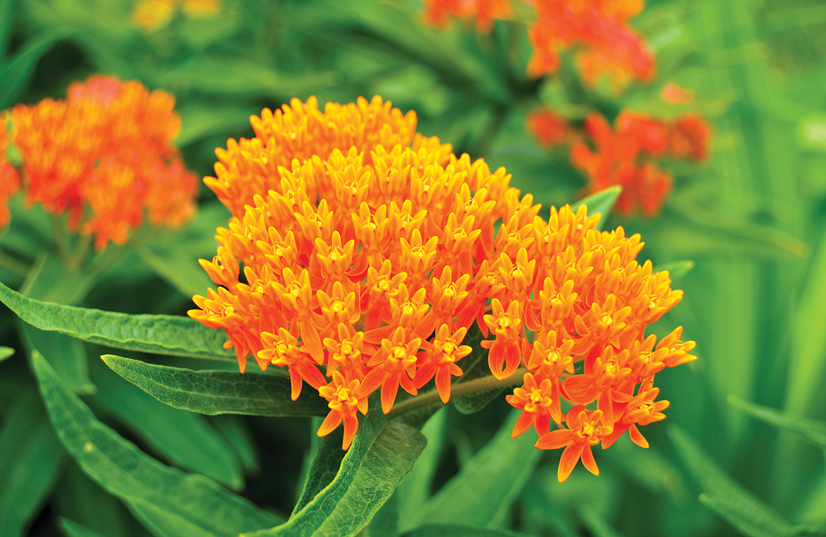
I am the world’s laziest gardener. So when I discovered that a native plant garden meant growing plants that required less tending, I was all in! The benefit I overlooked became apparent this year when I saw the first monarch butterfly in my yard. It turns out those cute little milkweeds at the end of my garden are prime food for monarch caterpillars.
Planting a native garden has led me into the world of plants and pollinators. Pollinators are insects and other animals that transfer pollen between plants, ensuring the production of fruit and seeds. It is estimated that 75 to 95 percent of plants depend on pollinators to reproduce. Bees and butterflies are what we think of most often, but birds, bats and beetles are also responsible for pollinating plants.
You may have heard about pollinators and the problems they have been facing due to habitat loss and the proliferation of invasive plants. But what does that mean? Pollinators have favorite foods, just like you do! In addition, they need places to live and places to lay eggs. Native plants provide pollinators with all these needs. Over the course of millions of years, plants and their pollinators have co-evolved. The shape of a flower is often designed specifically for the length of a hummingbird’s tongue, and the colors of the petals may specifically attract certain pollinators. When a native plant becomes less available, the pollinators that depend on it cannot change to gather food from a different source and so their numbers dwindle. As pollinators lessen, the plants they pollinate cannot reproduce, leading to a spiral of loss.
In happy news, some of the pollinators’ favorite plants look absolutely beautiful in the garden. This means that you can make your garden look magnificent and improve your local environment. So what are some of these magical plants that can help us not lose bees, butterflies and birds here in the Pittsburgh area? Here are some that I used in my garden:
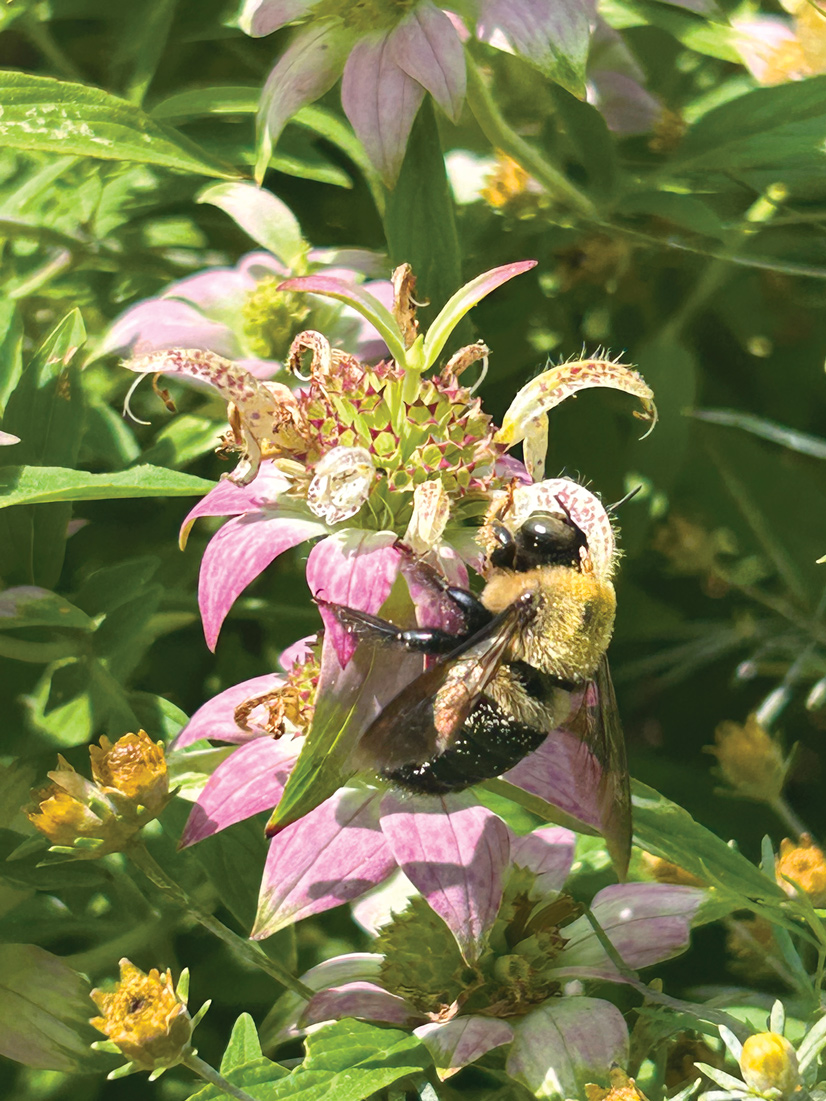
Butterfly Weed (Asclepias tuberosa) is known for attracting monarch butterflies, but it doesn’t stop there. It’s also food for native bees. If you have a sunny area in your yard that needs an accent, a bright orange butterfly weed will help increase the pollinators while adding a punch of color.
Jacobs Ladder (Polemonium reptans) not only adds purple trumpet-like goodness, but these flowers draw in native bees and bumblebees. Place them in the damp, shady part of the yard, and watch for those fuzzy bumblebee butts buzzing while they collect nectar.
Cinnamon Fern (Osmunda cinnamomea) is a tall striking fern that can attract birds to your yard. It can grow up to 6 feet tall, which means it has a WOW factor for moist soil and part shade areas. It provides birds shelter and the downy wool from the fern is used by some birds to line their nests.
Wild Petunia (Ruellia humilis) attracts butterflies in dry, partly shady places. I confess I have some flourishing in the sunniest, driest corner of my yard, so I can attest to how hardy they really are.
Want to learn more? Want to plant your own native plants?
The Mt. Lebanon Nature Conservancy has a native plant sale that starts online sales on April 1.
The conservancy also has two presentations on native plants that are free and open to the public. The first is at the Mt. Lebanon Public Library on March 5, and the second is at the Unitarian Universalist Church at Sunnyhill on March 21.

 Full Story