



Plant Early; Harvest Late
The earliest spring bulbs have emerged, teasing us with thoughts of walking barefoot again in the garden in the company of warm tomatoes and aromatic marigolds.
For some gardeners the season never ends, with cold weather plants which persist in most frigid conditions living in their gardens. Many home gardeners, though, are bound by the last frost of spring and the first frost in the fall. By choosing plants that not only survive frost but thrive with cooler weather, you can extend your gardening season by months.
Starting from seed isn’t for everyone, but there’s something magical about watching a little seed reach fruition in just a few short months. Other advantages to starting from seed include growing unique varieties not available at local nurseries, and supplying garden friends with surplus seedlings. Winter sowing is the easiest way to plant seeds early in the season. Plant your seeds in containers with a transparent or translucent lid, from mid-winter through spring and beyond. The technique parallels how plants spread their own seed. Most plants grow, flower, set seed then drop their seeds, which sprout when ready.
Probably the most popular containers are made from one-gallon milk or water jugs, but something like a clamshell container will work along with others. As long as the container has drainage and a lid, the seeds will germinate when temperatures are right.
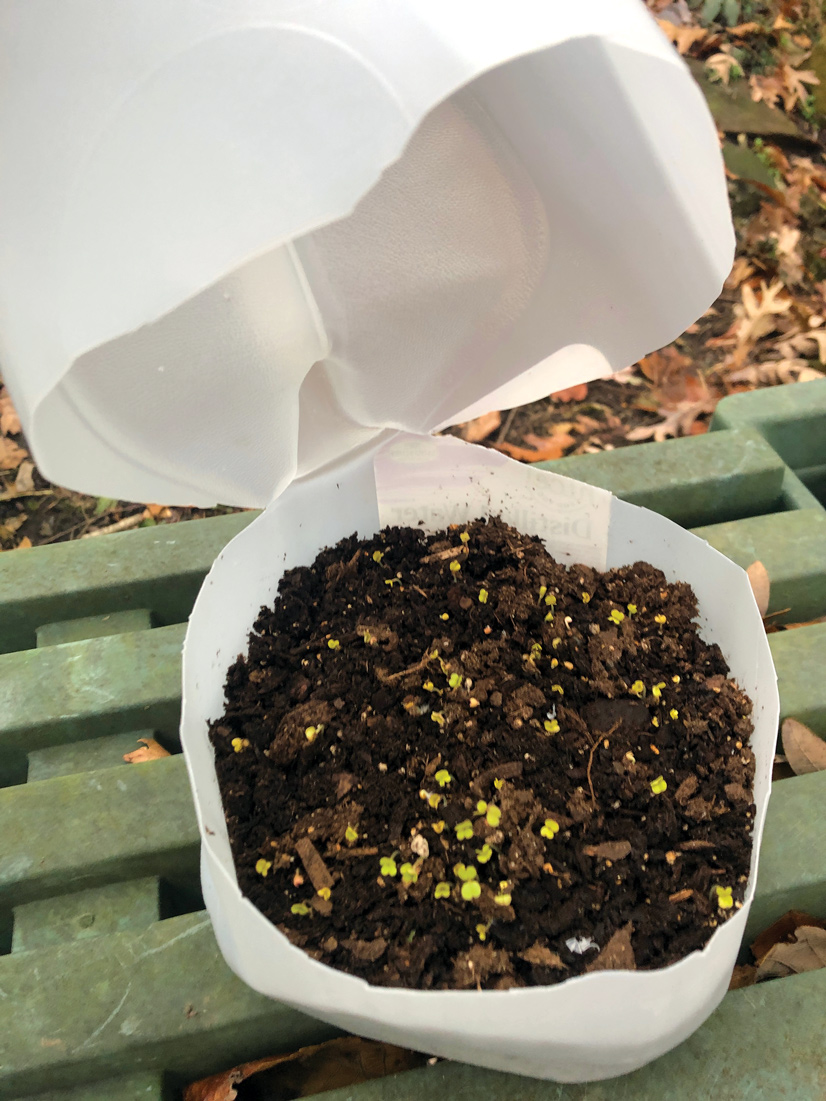
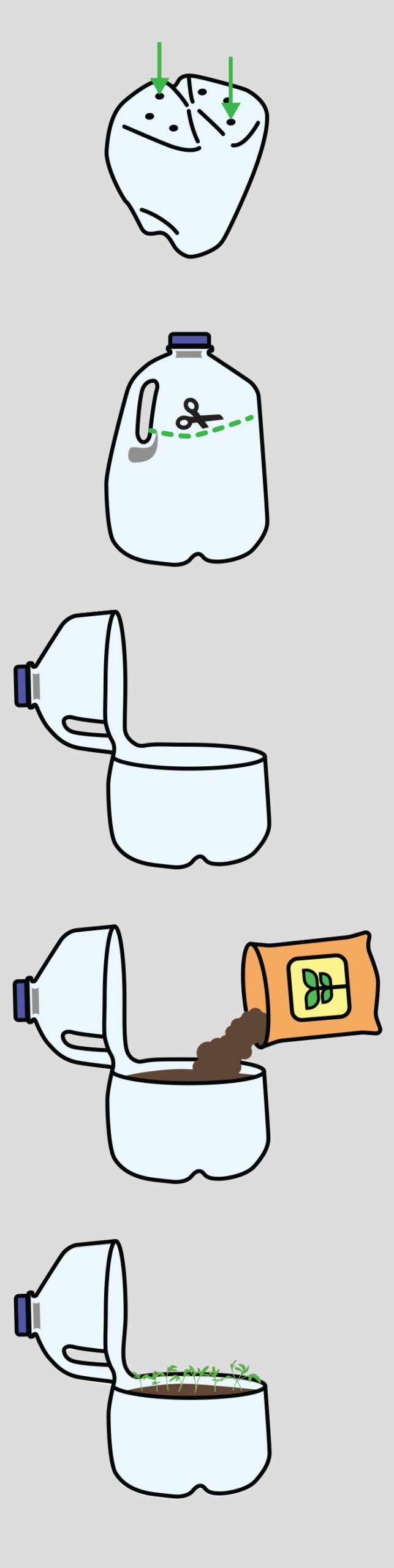
For one-gallon jugs, the first job is to drill holes in the bottom for drainage. After that, use scissors to cut the container horizontally from the bottom of one side of the handle around the jug to the other side, which becomes the hinge for the lid. Fill any of the containers with a moist planting mix, sprinkle seeds on top, then add some more planting mix on top. Just about any seed will work— vegetables, flowers, annuals or perennials. Cool-weather veggies like lettuce, arugula and other greens will emerge first, and the warm-weather seeds like tomatoes, peppers or marigolds will sprout later.
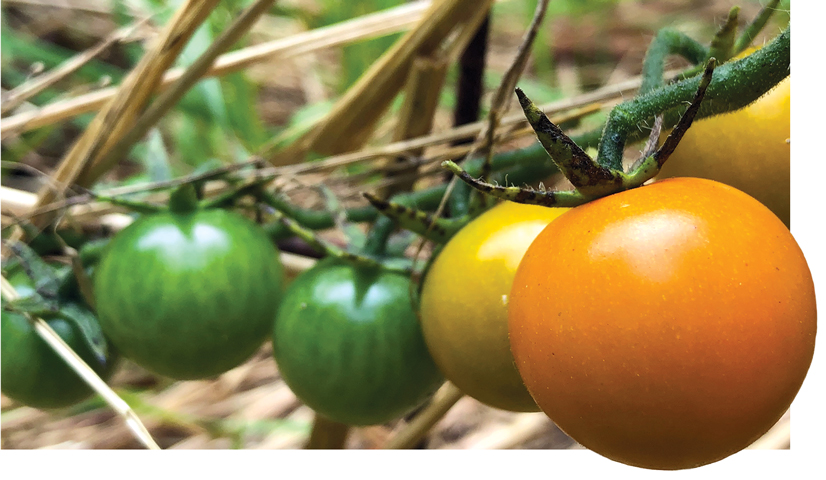
When choosing to plant tomatoes or peppers this way, look for varieties that produce fruit quickly. In the case of tomatoes that would include cherry tomatoes, Sungold, Early Girl, Fourth of July, Red Racer and others. For peppers, look for Jalapeno Early, Mad Hatter, Jimmy Nardello and Ace, which is a very early bell pepper.
Taping the milk jugs closed until germination will keep the planting mix moist. Place the containers outdoors, and the seeds will sprout when ready. The sprouts will need to be thinned and transplanted from the containers into
the garden.
Direct sowing in the garden begins on St. Patrick’s Day. That’s traditionally when peas are directly sowed in the soil. One trick to get the seeds to sprout in the cool spring soil is to soak them overnight. They will swell to three times the size of the dry seed and germinate in a week or so outdoors.
Some other cool-weather vegetables include arugula, lettuce, spinach, Swiss chard, carrots, beets, other greens, cole crops like kale, tatsoi, onions, radishes, mustard greens and mizuna, along with many others. These plants don’t care about frost — in fact, most enjoy the cool spring so much that they will only last into mid-June, when the weather gets too warm for them. One of my favorite tricks is to plant radish and carrot seeds together in the same bed. The radishes sprout first and can be harvested in just a few weeks. As they are picked, the carrots are emerging and will take the place of the radishes. Planting seeds closely together will provide thinnings, which are some of the first plants to be harvested. Radishes and carrots need room to form their roots, so the tiny seedlings are thinned. When carrots and radishes are young, the entire plant is tender and sweet. As they age, the foliage gets woody and is not as appealing. One of the reasons we garden is to produce the freshest and most nutritious vegetable possible. When these two plants are harvested early, they are filled with flavor and nutrients.
Direct sowing of seeds early in the season requires perfect timing, as the soil needs to be ready. If it’s too wet and is turned over with a shovel, the dirt will dry in clumps that will resemble concrete blocks in early summer. If the soil sticks to the shovel when digging, it’s too wet. An application of bagged compost over wet, spring soil allows the seeds to be planted without the worry of destroying the soil structure below.
Another option for early planting is to find seedlings at the local nursery; most will have some of these spring plants available. Planting both seeds and plants extends the harvest well into summer. Even though these varieties shake off frost, they can use a little protection during the coldest days. Floating row covers are made of a spunbound, translucent fabric so lightweight that the plants themselves can support the row cover. They act as a sort of outdoor greenhouse.
A cold frame is simply a large unheated box with a transparent or translucent lid, which you can open on hot sunny days and close when things cool down. One way to make one is to take a few straw bales and place an old window on top. An inexpensive but effective alternative is to find a 3-mil-thick dropcloth at the hardware store and use something to support the plastic over the plants. It’s a homemade
outdoor greenhouse.
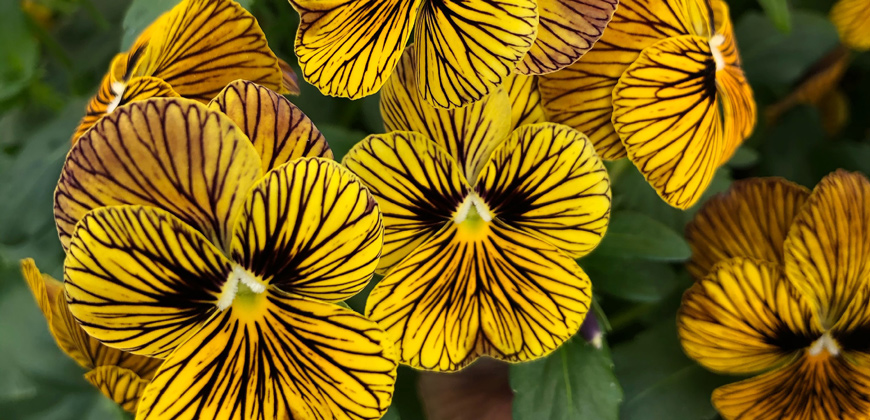
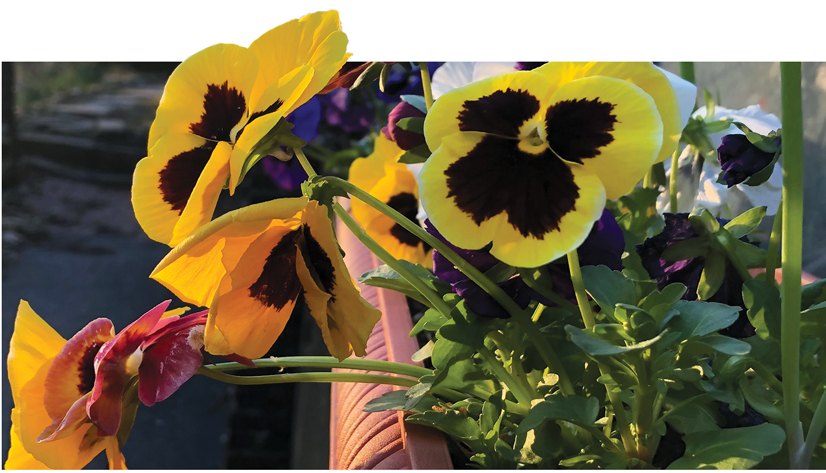
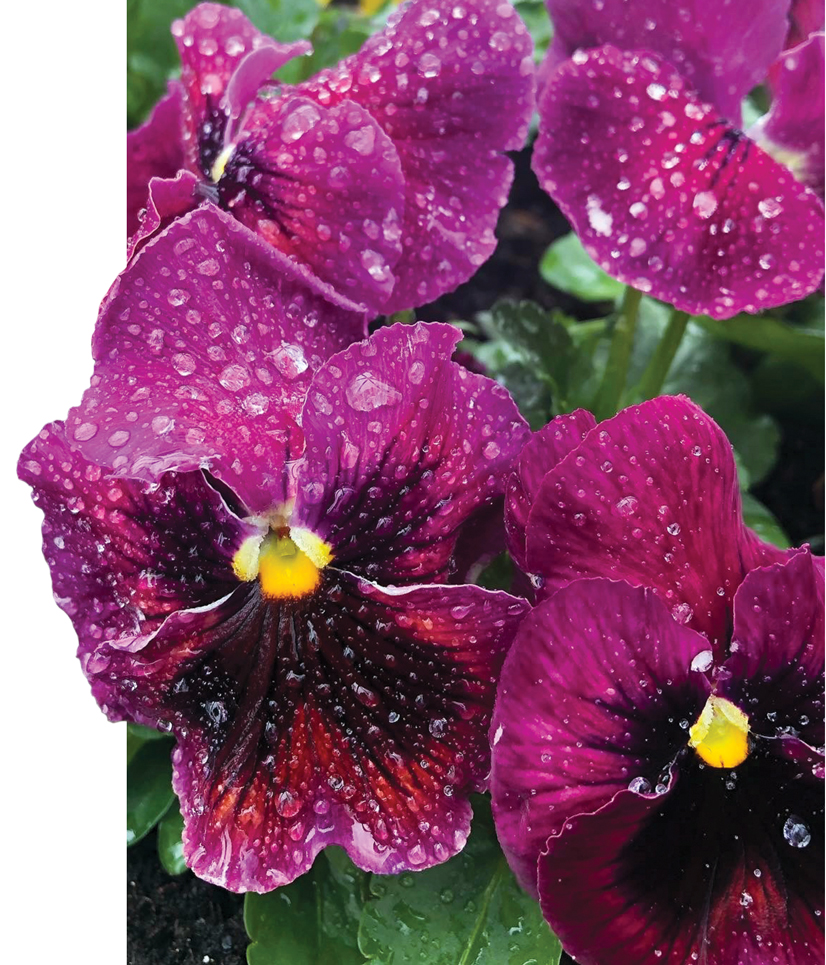
No early spring garden would be complete without pansies and violas, which are sold at garden centers starting in spring. They thrive in containers, bringing welcome color to the garden after a long, gray winter. They are tough, surviving late snow and ice without a problem. Both are edible flowers and make a beautiful addition to any dish. Planting early will provide beauty and tasty garden treats before many gardeners have even started planting.
Making a Gallon Jug Seed Planter
The ground may be frozen solid, but you can still start some plants from seed. Once you’ve made the planter and planted the seeds, move everything outside and wait for the seeds to germinate.
 Step 1
Drill or cut holes into the bottom of the jug for drainage
Step 2
Cut the container horizontally with scissors, starting at the bottom of one handle side and ending at the other, leaving that section attached as a lid hinge
Step 3
Fill containers with a moist planting mix, sprinkle seeds on top, then add some more planting mix on top
Step 4
Tape milk jugs closed to keep soil moist until seeds sprout outdoors, then thin and transplant seedlings into the garden

 Full Story