Deer-Resistant Bulbs
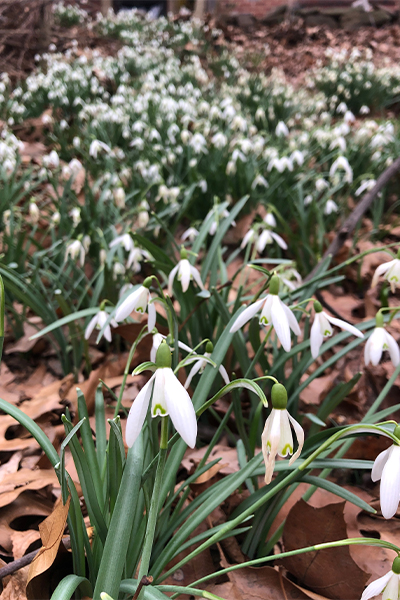
During a January thaw last year, the first signs of life appeared in the garden with the pure white buds of snowdrops pushing up through the cold, soft soil. Before they could open, winter returned with a vengeance, covering the soft buds with a thick layer of snow and brutal freezing temperatures. A month later, after sitting in a sort of suspended animation, the snowdrops bloomed.
Snowdrops have bloomed as early as January 15 and as late as early March, depending on when winter fades away, making them one of the first things to bloom in the garden. Plant them as bulbs in the fall — they are one of the many bulbs that deer are not interested in.
Many gardeners see fall as a time to rest after a long season of planting, weeding and watering, but the end of the season is almost as important as spring. The bulbs you plant now will be blooming each spring for years, maybe decades. When they flower, the long, hard winter becomes just a distant memory.
Snowdrops come in many forms. Flore Pleno is a beautiful double variety. The flowers look downward and are only about a half inch across. Picking them, turning them over and floating them in water is a great way to showcase the flowers.
Gardeners can help snowdrops multiply by gently lifting the bulbs right after blooming, separate and replant them with the foliage still attached. Snowdrops are one of the only bulbs that likes to be moved while “in the green,” before the foliage fades away.
Planting bulbs is not as popular as it once was, but is a worthwhile pursuit for any gardener. Using a bulb auger makes the job fun and much easier. It’s a big drill bit that is put on a powerful battery-operated drill; one that’s at least 20 volts. The Power Planter auger is inexpensive, made in America and will be passed down to the next generation.
Begin planting in September and continue until the ground freezes solid.
Start looking for bulbs at local nurseries as fall begins, but if you’re looking for something specific or larger quantity of bulbs, online sources can help.
Depending on the season winter aconite can bloom in consort with snowdrops with pretty, bright yellow flowers that will poke through snow. It’s another variety that will multiply over time.
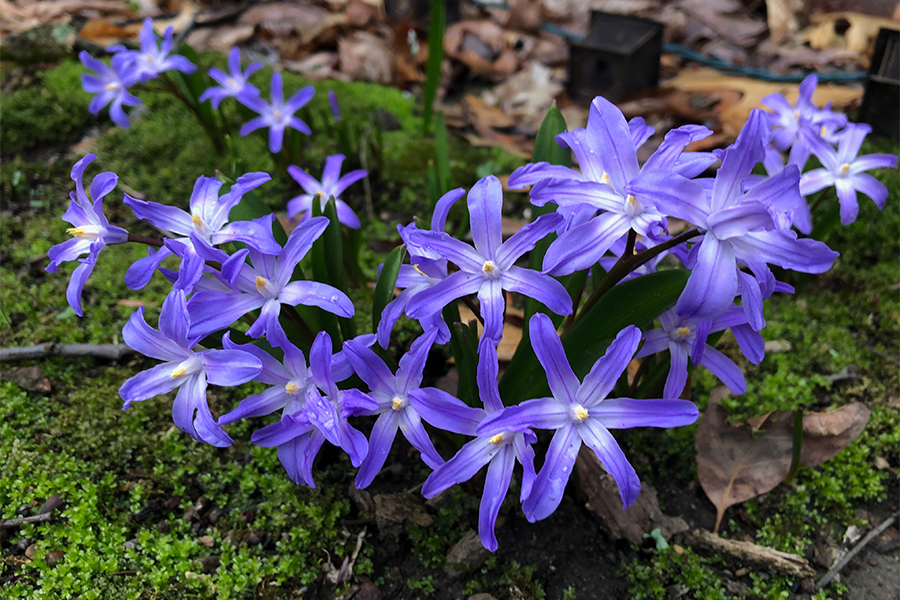
The next deer-resistant bulbs to bloom in the landscape are called glory of the snow. Plant them in a hole three times as deep as the bulb itself. That makes smaller bulbs like snowdrops and glory of the snow very easy to plant compared to the bigger bulbs.
Glory of the snow will also form a nice colony over the years. They grow just a few inches tall, and most varieties have sky blue flowers. Everyone wants blue in the garden.
Corydalis solida Beth Evans has green, fernlike foliage and stunning, dark pink flowers. Three other bulbs bloom at the same time. Planting all of them in the same area makes quite a show. Combine Beth Evans, glory of the snow Violet Beauty, puschkinia and Tete a Tete daffodil for a pretty combination.
Puschkinia is an heirloom bulb that’s another small plant, with creamy white flowers with blue stripes. It also will continue to multiply over the seasons and the deer are not interested in the plant.
The fragrance of hyacinths is the perfume of spring. These larger bulbs need to be planted six to eight inches deep. They come in many different colors — white, pink, red, purple and everything in between. Plant them in drifts so when they bloom, the garden will be filled with their wonderful aroma. Hyacinths also make great cut flowers for indoor vases.
Alliums are from the onion family. They are probably best known as purple globular flowers, but can have many different colors, shapes and sizes. Most alliums bloom in May. Plant the large bulbs 12 inches deep.
A unique bulb called fritillaria has a strong aroma, which keeps the deer at bay.
The most popular variety is Crown Imperial, which can be either red or yellow and reach three feet tall. They are underplanted in the landscape here, but are a favorite in Holland, where bulbs are king.
Smaller varieties can be unique additions to the garden, such as daffodils, the true harbinger of spring. When they bloom, the season has officially begun.
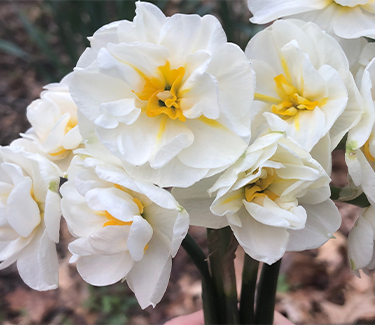
While yellow trumpets are the classic, daffodils come in so many more varieties. Two favorites for early blooming are Jetfire and an heirloom called Van Sion. Along with countless mid-season daffodils, a favorite for late blooming is Sir Winston Churchill. When a plant breeder names something Sir Winston Churchill, it must be an exceptional variety. The variety is late blooming, long blooming and has a strong fragrance reminiscent of gardenias.
Of all the bulbs planted each fall, daffodils are the most perennial, persisting for decades. Plant them eight to 12 inches deep in drifts to look natural.
One of the keys to planting daffodils is choosing cultivars that bloom early, mid-season and later in the spring. Purchasing favorites in September is a great idea, but you can find deals as the season winds down. Many local nurseries and online sources will start discounting their bulbs in November.
The trick is to only buy what can be planted before the ground freezes. Often that means returning to the garden center or ordering several times. It’s imperative when ordering bulbs online to choose a reliable source. A good bulb catalog will list the size of the bulbs. If a deal looks too good to be true, the company is usually selling smaller bulbs which might not bloom the first spring.
For all of us battling the deer, it’s great to plant something they aren’t interested in and planting bulbs provides beauty for next spring and for many years to come.

 Full Story