Growing Orchids
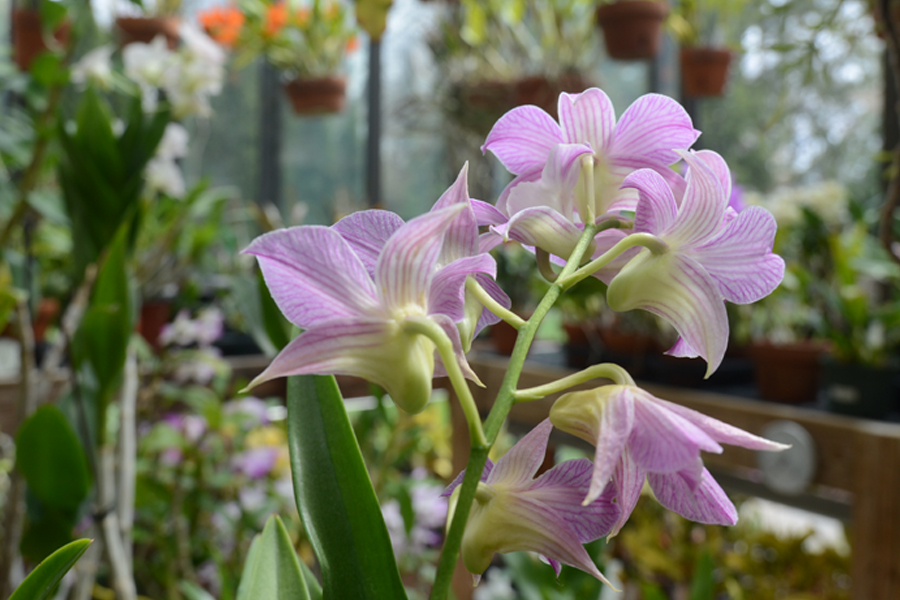 A luminescent orange orchid bloom glows, backlit by afternoon light streaming through the clear glass of Sheila Nathanson’s Mt. Lebanon greenhouse.
On this day it’s nice outdoors, but the sun has created a toasty atmosphere in the spacious room. It’s tight quarters as every bench is filled with an incredible variety of orchids. One small pot hangs over the lip of a shelf, overflowing with stunning tangerine-colored flowers.
Nathanson was introduced to orchids more than three decades ago when her husband brought one home from shopping. “I don’t think I did well with it,” she said smiling, “but I’ve always liked gardening and I’ve always liked flowers.”
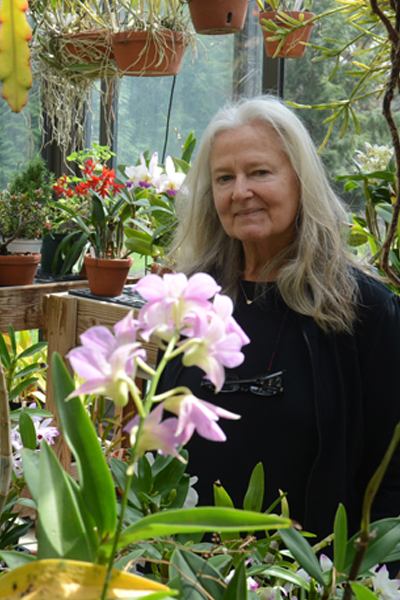
After moving to Pittsburgh in the early 1990s, Nathanson thought it would be fun to visit the Orchid Society of Western Pennsylvania’s show. “So, we went and I spotted a couple of things; I wanted this and I wanted that. I had no clue what I was doing,” Nathanson said, “but I loved them. Something about them just hit me the right way.”
In fact, one of those very orchids is still in her collection and is thriving. “I’ve given it away to many people because it multiplies like crazy,” she said proudly. She also became the president of the society.
Even though that plant took hold, Nathanson made the mistakes that all first-time orchid growers make, often not getting the watering right. Some plants faded away and others did OK.
It was when they moved into their current house with a four-season sunroom that things accelerated. There was a Jacuzzi in the center; the couple even found a floating ashtray in there.
She used the space for her orchids but eventually persuaded her husband that the room needed renovation and the Jacuzzi was gone.
It’s approximately 14-by-16 feet, and even though it’s packed with plants, she said there’s always room for one more. Nathanson also has taken over about a quarter of the garage to grow her beloved plants.
Orchids have a reputation of being hard to grow, but with a little knowledge and a willingness to try, most people can be successful with them. “When we’re growing anything,” she said, “you’re going to have successes, you’re going to have failures.”
Joining the Orchid Society of Western Pennsylvania was the turning point for her success, and it’s something she recommends for anyone who is getting serious about growing these plants. The camaraderie among the growers is a great benefit to being part of the society.
Like any plant, it’s trial and error to discover what each variety craves. “A few years by kind of osmosis and research, you kind of pick it up, and now I know what not to buy,” she said with a laugh.
When starting with orchids, understanding what you have and what they need is critical. “I know I have these certain conditions, but it’s very important to always save your tags when you buy orchids, because if you know the name of it, that’s your first clue to learning what it wants.”
Nathanson recommends a phalaenopsis, known commonly as a moth orchid, as the easiest variety to begin with. It’s the type of orchid seen at local grocery stores and other retailers. “Most of the time, they bloom once a year, reliably,” she said.
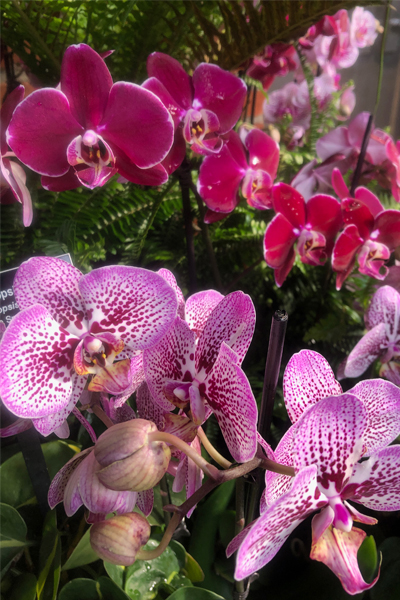
If that plant does well in the home environment, others with even more spectacular blooms from the same family will do well too. “Some of them, the flowers are just so cool and interesting, and then it gives you an idea of what built the one that you see in the grocery store,” said Nathanson.
Watering suggestions that come with these plants recommend three ice cubes a week. Even though orchids don’t really love the cold, this is a way to be sure not to overwater, a death knell for orchids.
When it comes to fertilization, Nathanson uses a lighter hand, as orchids don’t enjoy being overfed and the roots could be burned. Flushing out salts from fertilizers will help keep the roots healthy. “If the manufacturer said a half a teaspoon in a gallon,” she said of feeding the plants, “use a quarter teaspoon in a gallon.”
She prefers clay pots because they are heavier and keep the orchids from tipping over as they fill the container. Good drainage is a must — there are pots specifically made for growing orchids.
The plants are not grown in conventional potting soil, rather a special medium made of bark from fir trees. Smaller pots use a finer grade of the bark, which should be increased in size with larger containers.
When all chance of frost has passed, Nathanson likes to take many of her orchids outside. “If you think about it, Pittsburgh in the summer is probably like Taiwan, it’s hot and steamy,” she said with a smile. Morning sun and afternoon shade is the perfect place for most orchids. In an outdoor environment the plants will obviously need to be watered more often. The plants come back inside in the fall when the days get shorter and frost looms.
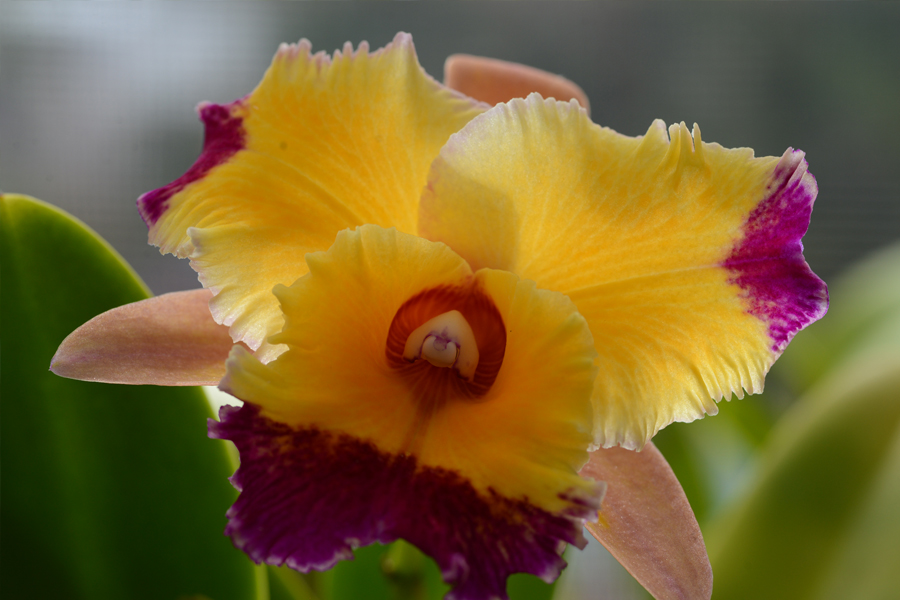
There are lots of different families of orchids and many are extremely fragrant. Oncidium “Sharry Baby” has a brownish-red flower which smells like chocolate. Many of the cattleya orchid have a sweet perfume as do dendrobiums.
Nathanson’s advice for beginners: “If you have a couple of windows, put a table in front of the window and put a few plants on it.”
She hopes others will experience the joy and satisfaction she receives from tending to her orchids. “I think it’s a very positive and uplifting thing to do, work with plants.”

 Full Story