



Vulnerability and its role in our psychological and social lives
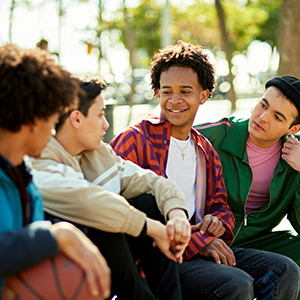
 In many cultures and communities, vulnerability is seen as weakness. But if we choose to see vulnerability this way, we miss out on the courage and strength that can come from opening ourselves up and showing our flaws in a society where there is no shortage of pressure to appear perfect. Vulnerability looks like many things. It’s sharing stories that let us take down our guard. It’s knowing that you’re opening a door for people to judge your choices and opinions, but doing it anyway because you also know opening that door allows for connection, visibility, relatability and trust. And it’s through this that we learn we’re all more alike than we are different.
In a social psychology class at Vanderbilt University, Professor Ryan Balch asked students to admit to a mistake they made in their lives without providing any context, justification or explanation. Discomfort immediately overtook the room, but what happened next surprised the students – No one harped on each other for their mistakes. Instead, they helped each other ease the burden of the weight they were carrying.
The pressure created by society to constantly strive for perfection caused the students to feel the effects of cognitive dissonance. This is when your internal beliefs contradict your external behaviors. The students in this experiment were forced to confront this idea by openly admitting to their mistakes and embracing vulnerability, despite their internal beliefs that they would not be accepted for their imperfections.
No one is safe from hardship and adversity, nor is anyone protected from imperfection. Yet, sharing our challenges can be extremely difficult. It’s scary to be seen this way because we’re conditioned by society to think that showing emotions and “failures” is weak or attention-seeking, as opposed to the truth – that it’s brave, strong, honest and human.
TikTok creator Onyi Ijeh (@wontonamera) explains, “Sometimes we’re made to feel like if we talk about something too much, we’re dwelling; we’re not ‘over it.’” She makes the claim, though, that the more you feel safe telling your story, the further along you are in your healing journey; it’s when you don’t feel safe talking about your story that you ruminate on it the most.
Because there is this stigma that vulnerable topics aren’t “powerful,” it causes us to stay away from self-disclosure, hard conversations and raising the topic of mental health. In reality, vulnerability is extremely beneficial to our individual and collective wellbeing.
If you’re struggling right now, we encourage you to be vulnerable with the people who have earned the right to hear your story and never underestimate the strength this takes. If talking to a professional counselor would help you and your situation, Outreach Teen & Family Services is here for you. To get started, complete our online intake inquiry form on our website under the “Contact” tab (outreachteen.org) or leave a message on our intake line 412-561-5405.
Outreach Teen & Family Services is a nonprofit, confidential counseling service. We offer programs for youth ages 5 to 21, parents and families in a welcoming environment. Outreach does not offer crisis services or response and does not have evening and weekend on-call coverage. In an emergency, please go to your local emergency room or call RESOLVE at 1-888-796-8226.
This column is partially underwritten by the Mt. Lebanon Police Association.
 Full Story